
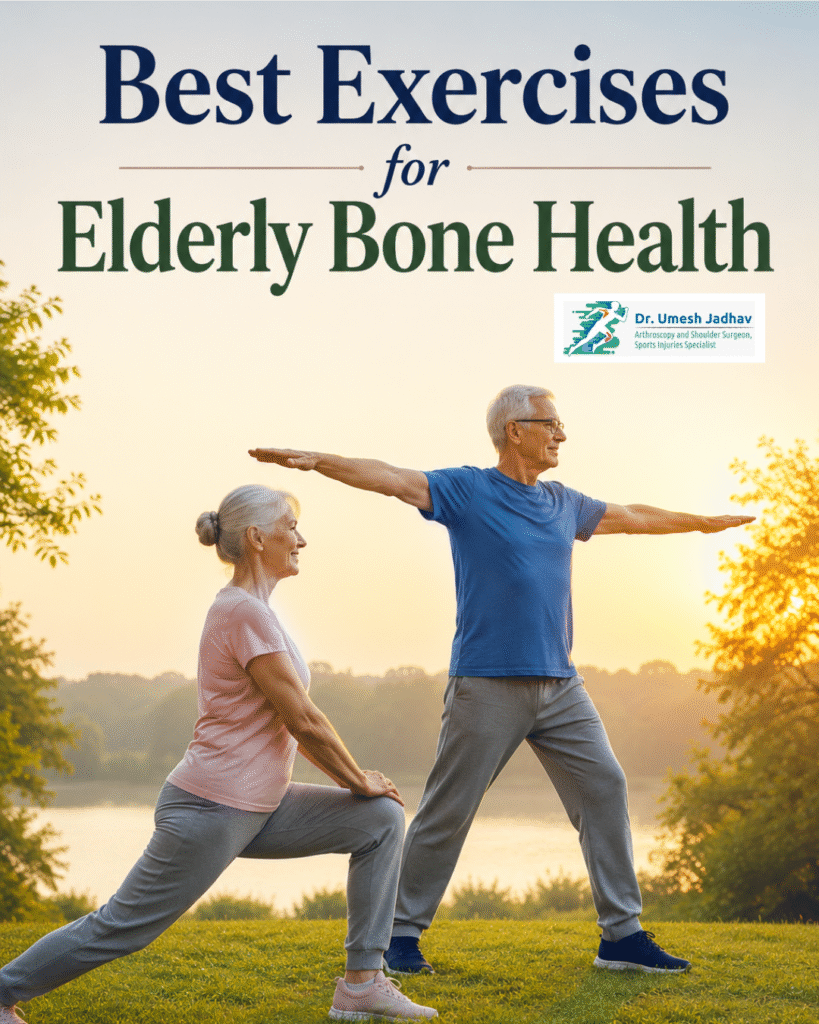
As we age, maintaining strong bones becomes increasingly important. Bone density naturally decreases with age, making older adults more vulnerable to fractures, osteoporosis, joint pain, and mobility issues. The good news is that regular exercise can significantly improve bone strength, balance, flexibility, and overall quality of life.
In this blog, we’ll explore the best exercises for elderly bone health and how seniors can stay active safely.
Why Exercise is Important for Bone Health
Bones are living tissues that become stronger when they are used regularly. Physical activity stimulates bone-building cells and helps slow down bone loss. Exercise also improves muscle strength and balance, reducing the risk of falls and fractures.
Benefits of regular exercise for seniors include:
- Improved bone density
- Better balance and coordination
- Increased muscle strength
- Reduced joint stiffness
- Lower risk of falls and fractures
- Enhanced mobility and independence
Best Exercises for Elderly Bone Health
1. Walking
Walking is one of the safest and most effective weight-bearing exercises for seniors. It helps strengthen the legs, hips, and lower spine while improving cardiovascular health.
Benefits:
- Easy on the joints
- Improves circulation and endurance
- Supports bone strength
Tip: Aim for 20–30 minutes of walking daily at a comfortable pace.
2. Strength Training
Light resistance exercises help maintain bone density and muscle mass. Resistance bands, light dumbbells, or bodyweight exercises are excellent options.
Common exercises include:
- Chair squats
- Wall push-ups
- Leg raises
- Bicep curls
Benefits:
- Strengthens bones and muscles
- Improves posture
- Reduces risk of falls
Tip: Start with light resistance and gradually increase under supervision if needed.
3. Tai Chi
Tai Chi is a gentle exercise involving slow, controlled movements and deep breathing. It is highly beneficial for balance and coordination.
Benefits:
- Improves stability
- Reduces fall risk
- Enhances flexibility and mental relaxation
It is especially useful for seniors with mild joint pain or balance concerns.
4. Yoga
Yoga helps improve flexibility, posture, balance, and muscle strength. Certain poses can also support spinal and hip health.
Benefits:
- Enhances flexibility
- Improves body alignment
- Supports joint mobility
Tip: Seniors should choose beginner-friendly or chair yoga sessions to avoid strain.
5. Stair Climbing
Climbing stairs is an effective weight-bearing activity that strengthens the lower body and improves bone health.
Benefits:
- Builds leg strength
- Supports hip and spine bones
- Improves endurance
Always use handrails for safety and avoid overexertion.
6. Balance Exercises
Balance training is essential for preventing falls, which are a major cause of fractures in older adults.
Simple balance exercises:
- Standing on one foot
- Heel-to-toe walking
- Side leg raises
Benefits:
- Improves coordination
- Prevents injuries
- Builds confidence in movement
Safety Tips for Seniors Before Exercising
Before starting any exercise routine, elderly individuals should keep these precautions in mind:
- Consult a doctor before beginning new exercises
- Start slowly and increase intensity gradually
- Wear supportive footwear
- Stay hydrated
- Avoid exercises causing severe pain or dizziness
- Use support or supervision if balance is an issue
Role of Nutrition in Bone Health
Exercise works best when combined with proper nutrition. Seniors should ensure adequate intake of:
- Calcium-rich foods like milk, yogurt, and leafy greens
- Vitamin D for calcium absorption
- Protein for muscle support
Maintaining a healthy lifestyle, avoiding smoking, and limiting alcohol intake also contribute to stronger bones.
Final Thoughts
Regular physical activity is one of the best ways for seniors to maintain strong bones, improve mobility, and stay independent. Simple exercises like walking, strength training, yoga, and balance activities can make a significant difference in overall health and quality of life.
The key is consistency and choosing exercises that are safe, enjoyable, and suitable for individual fitness levels.
If you or your loved one experiences persistent joint pain, balance issues, or signs of osteoporosis, consult an orthopaedic specialist in Nigdi PCMC for proper guidance and care.