
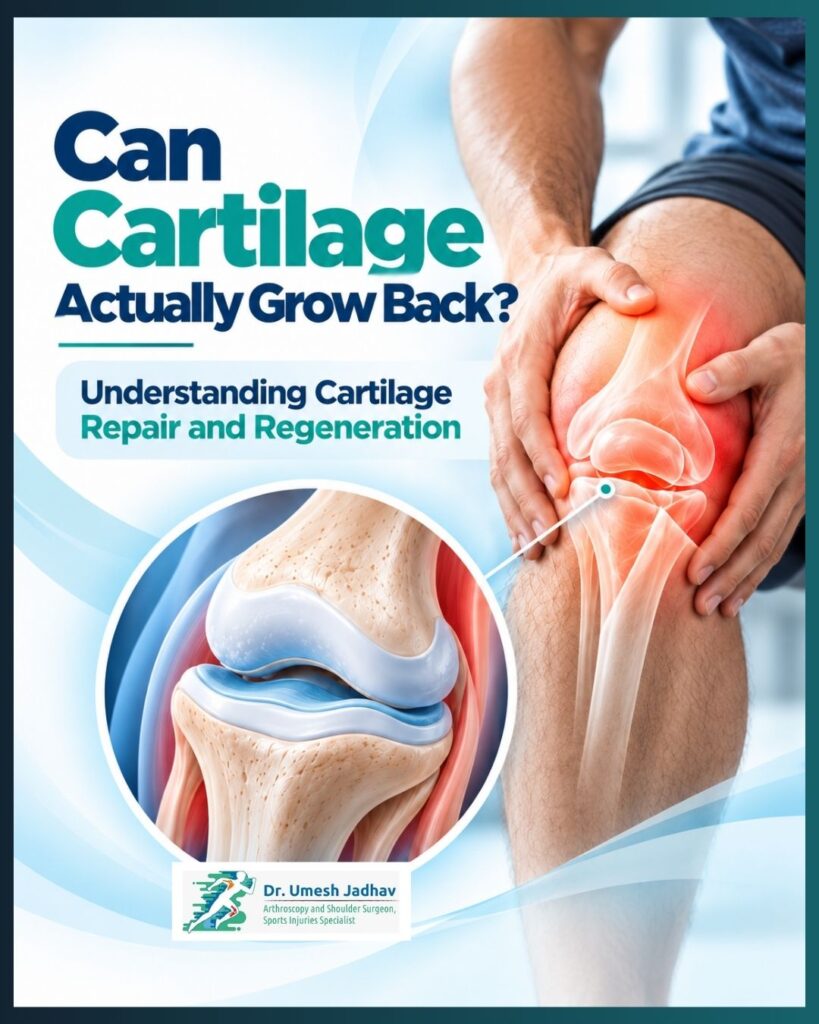
Knee pain, stiffness, or difficulty climbing stairs can sometimes be linked to cartilage damage. Since cartilage plays an important role in smooth joint movement, many people wonder whether damaged cartilage can heal naturally.
The simple answer is that knee cartilage has a limited ability to repair itself. However, appropriate treatment can help reduce pain, improve mobility, and support long-term joint health.
It is always advisable to consult an orthopedic specialist near you when knee pain or discomfort begins, rather than waiting for the condition to worsen. Severe cartilage damage can sometimes cause intense, persistent pain that significantly affects daily activities and may take time to manage. Early diagnosis and timely treatment can help prevent further joint damage, manage discomfort, and support better knee function.
What Is Knee Cartilage?
Cartilage is a smooth, protective tissue that covers the ends of bones within a joint. It helps reduce friction, absorb pressure, and allow comfortable movement. Unlike many other tissues, joint cartilage does not have its own blood supply, making natural healing difficult when it becomes damaged.
Can Damaged Knee Cartilage Grow Back Naturally?
Damaged articular cartilage generally cannot grow back completely on its own. Small injuries may sometimes produce limited repair tissue, but significant cartilage loss usually does not regenerate naturally. The good news is that many people with cartilage damage can manage their symptoms and maintain an active lifestyle with appropriate treatment.
What Causes Knee Cartilage Damage?
Several factors can contribute to cartilage problems:
-
Age-related wear: Gradual changes in joint cartilage over time.
-
Sports injuries: Sudden twisting, falls, or direct impact on the knee.
-
Osteoarthritis: Degenerative changes affecting cartilage and other joint tissues.
-
Excess joint stress: Repetitive strain or increased body weight.
-
Previous injuries: Meniscus tears or ligament injuries affecting knee stability.
What Are the Warning Signs?
Cartilage damage may cause:
-
Persistent knee pain or swelling
-
Stiffness after sitting or resting
-
Difficulty bending the knee
-
Pain while climbing stairs
-
Clicking, catching, or locking sensations
These symptoms can also occur with other knee conditions. A medical evaluation helps identify the cause.
Can Exercise Help Repair Knee Cartilage?
Exercise cannot reliably regrow damaged cartilage, but it can help improve knee strength, flexibility, and stability.
Some beneficial activities include:
-
Walking: Supports mobility when performed within comfortable limits.
-
Cycling: Provides low-impact joint movement.
-
Swimming: Helps maintain fitness with less pressure on the knees.
-
Physiotherapy: Strengthens muscles that support the knee joint.
The right exercise program depends on the severity of the knee condition.
What Treatments Are Available for Cartilage Damage?
Treatment depends on the extent of damage, symptoms, age, and activity level.
Non-Surgical Treatments
Physiotherapy, weight management, activity modification, and suitable medications can help manage symptoms and improve joint function.
Cartilage Repair Procedures
For selected cartilage injuries, surgical options such as microfracture, cartilage grafting, or cartilage cell implantation may be considered.
Regenerative Treatments
Treatments such as platelet-rich plasma (PRP) are being studied for knee conditions. Although some patients may experience symptom relief, reliable regeneration of normal cartilage has not been established.
An orthopedic specialist can explain which options are appropriate for each patient.
How Can You Protect Your Knee Cartilage?
Simple lifestyle habits can support knee health:
-
Maintain a healthy body weight.
-
Stay physically active with suitable exercises.
-
Strengthen the muscles around your knees.
-
Avoid excessive strain during physical activities.
-
Seek medical advice for persistent pain or swelling.
Frequently Asked Questions
1. Can knee cartilage heal without surgery?
Significant cartilage damage rarely heals completely on its own, but symptoms can often be managed without surgery.
2. Can walking help with cartilage damage?
Yes. Comfortable, low-impact walking can support mobility and muscle strength, although it does not regrow cartilage.
3. Does every cartilage injury require surgery?
No. Many people benefit from physiotherapy and other non-surgical treatments. Surgery is considered when clinically appropriate.
Conclusion
Knee cartilage has limited natural healing ability, but cartilage damage does not always mean surgery is necessary. With timely diagnosis, appropriate treatment, and healthy lifestyle habits, many people can manage knee discomfort and maintain better mobility. If knee pain, stiffness, or swelling continues, consult an orthopedic specialist in Nigdi, PCMC for personalized advice.