
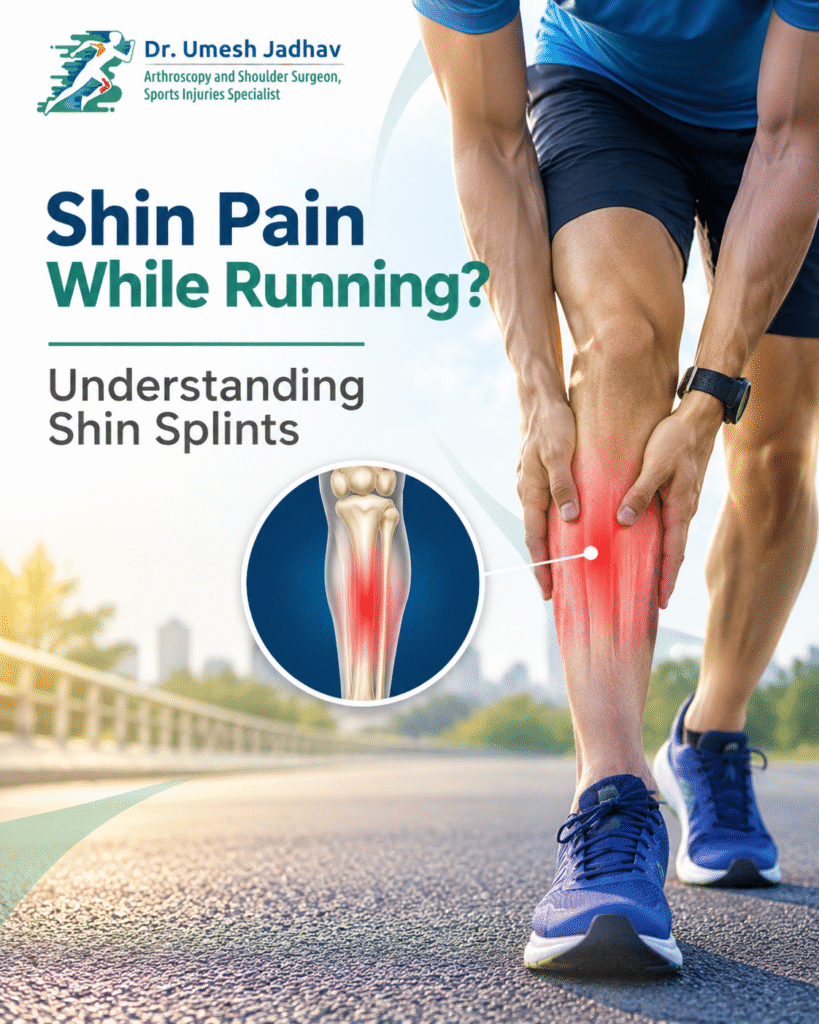
Running is an excellent way to improve fitness, stamina, and overall health. However, many runners experience pain along the shin bone, especially after increasing their running distance or intensity. One of the most common causes of this discomfort is shin splints, medically known as Medial Tibial Stress Syndrome (MTSS).
Shin splints are an overuse injury caused by repeated stress on the muscles, tendons, and tissues surrounding the shin bone (tibia). With proper understanding, training adjustments, and timely care, most runners can recover and safely return to their activities. For proper evaluation and effective shin splints treatment, it is recommended to consult an orthopedic doctor near you who can provide the right diagnosis and personalized care plan.
What Are Shin Splints?
Shin splints refer to pain and tenderness along the inner edge of the shin bone. They commonly occur when the lower leg experiences more stress than it can adapt to.
During running, the muscles and bones of the lower leg absorb repeated impact. When training intensity increases too quickly or the body does not get enough recovery time, small areas of irritation can develop around the tibia.
Shin splints are commonly seen in:
- New runners starting regular training
- Athletes involved in high-impact sports
- People suddenly increasing running distance or speed
- Individuals exercising on hard surfaces frequently
Symptoms of Shin Splints
Common symptoms include:
1. Pain Along the Shin Bone
- Dull aching pain along the inner side of the shin
- Tenderness when pressing the affected area
- Discomfort during or after running
2. Pain That Increases With Activity
The pain may:
- Start during exercise
- Become worse with prolonged running
- Improve with rest in early stages
3. Lower Leg Tenderness or Tightness
Some runners may experience:
- Tight calf muscles
- Mild swelling
- Reduced comfort while exercising
What Causes Shin Splints?
Shin splints usually occur due to repetitive stress and improper load management. Common causes include:
1. Sudden Increase in Running Activity
Increasing mileage, speed, or workout intensity too quickly does not allow muscles and bones enough time to adjust.
A gradual progression helps the body safely adapt to increased physical demands.
2. Improper Footwear
Running shoes play an important role in absorbing impact.
Shoes that are:
- Worn out
- Poorly fitted
- Unsuitable for your running style
may increase stress on the lower legs.
3. Running on Hard Surfaces
Frequent running on surfaces like concrete or uneven roads can increase repetitive impact on the shin.
4. Muscle Weakness or Tightness
Weakness or reduced flexibility in the:
- Calf muscles
- Foot muscles
- Ankle muscles
- Hip muscles
can affect running mechanics and increase stress on the shin.
5. Poor Running Technique
Changes in running form, excessive foot rolling inward (overpronation), or improper landing patterns may contribute to shin discomfort.
Shin Splints vs Stress Fracture
Shin pain should not always be assumed to be shin splints. A stress fracture is a small crack in the bone caused by repeated stress and requires medical evaluation.
Shin Splints:
✔ Pain is usually spread over a larger area
✔ Often related to activity
✔ May improve with rest
Stress Fracture:
⚠ Pain is usually concentrated at one specific point
⚠ Pain may continue during walking or rest
⚠ Requires proper diagnosis and management
If pain becomes severe, persistent, or affects normal walking, consultation with an orthopedic or sports medicine specialist is recommended.
How Are Shin Splints Diagnosed?
A diagnosis is usually made through:
- Medical history assessment
- Physical examination
- Evaluation of activity patterns
- Assessment of running technique and footwear
If needed, imaging tests such as X-ray or MRI may be advised to rule out other causes of shin pain, including stress fractures.
Treatment and Recovery for Shin Splints
Treatment focuses on reducing stress and allowing the tissues to heal.
1. Modify Your Activity
Reducing running intensity temporarily can help recovery.
Low-impact activities such as:
- Swimming
- Cycling
- Controlled strength training
may be considered during recovery.
2. Ice and Pain Management
Applying ice after activity may help reduce discomfort and inflammation.
Pain management should be guided by a healthcare professional, especially if symptoms persist.
3. Stretching and Strengthening Exercises
A rehabilitation program may include:
- Calf stretching
- Ankle mobility exercises
- Foot strengthening exercises
- Lower limb stability training
These exercises improve strength and reduce the risk of recurrence.
4. Gradual Return to Running
Returning too quickly can cause symptoms to return.
A safe return involves gradually increasing:
- Running duration
- Distance
- Speed
- Training frequency
How Can You Prevent Shin Splints?
You can reduce your risk by following these steps:
Warm Up Before Running
Prepare your muscles and joints with dynamic warm-up exercises.
Increase Training Gradually
Avoid sudden increases in running distance or intensity.
Choose Proper Running Shoes
Use footwear suitable for your activity and replace shoes when they lose support.
Strengthen Your Lower Body
Regular strengthening of calves, feet, hips, and core can improve running efficiency.
Allow Recovery Time
Rest days help your body repair and adapt.
When Should You Consult a Specialist?
Seek medical advice if you experience:
- Persistent shin pain despite rest
- Severe or worsening pain
- Pain during normal walking
- Swelling or tenderness at one specific point
- Repeated episodes of shin pain
Early evaluation helps identify the exact cause and supports a safer return to running.
Conclusion
Shin pain while running is common, but it should not be ignored. Shin splints often develop due to repeated stress, sudden changes in training intensity, muscle imbalance, or improper footwear. With proper running techniques, strengthening exercises, suitable footwear, and timely medical guidance, most runners can recover and safely return to their fitness activities. If you experience persistent shin pain or discomfort while running, consult Dr. Umesh Jadhav, Orthopedic Doctor in Nigdi, PCMC for expert evaluation and personalized treatment guidance.
Listen to your body — pain is a signal, not a challenge to push through.