
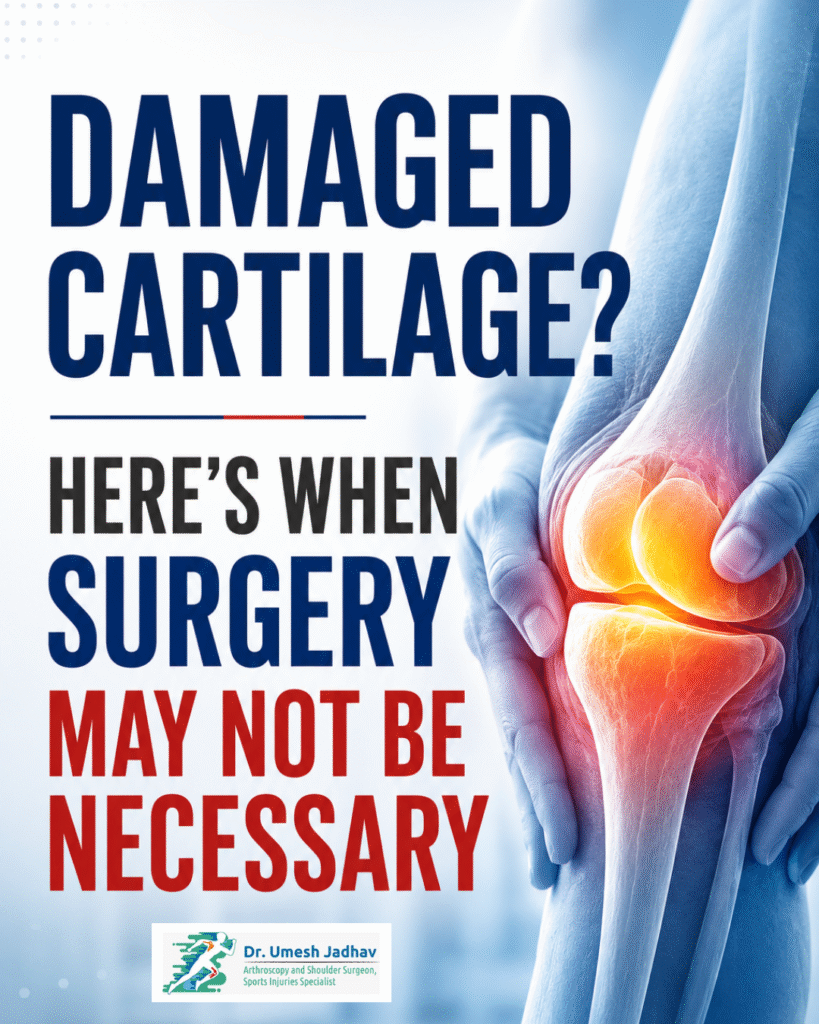
Cartilage damage is a common orthopedic condition that can affect people of all ages, from athletes with sports injuries to older adults experiencing age-related joint wear and tear. A cartilage injury can cause pain, swelling, stiffness, and difficulty performing everyday activities. However, many patients are surprised to learn that surgery is not always the first or only treatment option.
If you are experiencing persistent joint pain or have been diagnosed with cartilage damage, consulting an experienced orthopedic surgeon in Nigdi PCMC can help you understand the severity of your condition and explore the most appropriate treatment options.
If you have been diagnosed with cartilage damage, understanding your treatment options can help you make informed decisions about your joint health.
What Is Cartilage and Why Is It Important?
Cartilage is a smooth, rubber-like tissue that covers the ends of bones within a joint. It acts as a cushion and allows bones to glide smoothly during movement. Healthy cartilage helps joints move without pain or friction.
When cartilage becomes damaged due to injury, overuse, or age-related degeneration, the joint may become painful and less functional.
Common Symptoms of Cartilage Damage
Cartilage injuries can develop gradually or occur suddenly after trauma. Common symptoms include:
- Joint pain during movement
- Swelling around the joint
- Stiffness and reduced range of motion
- Clicking or catching sensations
- Difficulty walking, climbing stairs, or exercising
- Joint instability in some cases
The knee is one of the most commonly affected joints, although cartilage damage can also occur in the hip, ankle, shoulder, and other joints.
Does Cartilage Damage Always Require Surgery?
The answer is no. Many cases of cartilage damage can be managed successfully without surgery, especially when the damage is mild to moderate and diagnosed early.
An experienced orthopedic surgeon will evaluate factors such as:
- The size and location of the cartilage defect
- Patient age and activity level
- Severity of symptoms
- Presence of arthritis or other joint conditions
- Response to previous treatments
Based on these findings, non-surgical treatment may be recommended before considering surgery.
Non-Surgical Treatment Options for Cartilage Damage
1. Activity Modification
Reducing activities that place excessive stress on the affected joint can help relieve symptoms and prevent further damage.
2. Physiotherapy
A structured physiotherapy program strengthens the muscles supporting the joint, improves flexibility, and enhances stability.
3. Medications
Anti-inflammatory medications may help reduce pain and swelling, allowing patients to participate more comfortably in rehabilitation.
4. Weight Management
For patients with knee cartilage damage, maintaining a healthy weight can significantly reduce pressure on the joint and improve symptoms.
5. Injection Therapies
In selected patients, treatments such as hyaluronic acid injections or regenerative therapies may help improve joint function and reduce pain.
When Is Surgery Necessary?
While many patients improve with conservative treatment, surgery may be recommended when:
- Pain persists despite non-surgical treatment
- Cartilage damage is extensive
- Joint function is significantly affected
- Daily activities become difficult
- There are associated ligament or meniscus injuries
Modern cartilage repair procedures aim to preserve the natural joint whenever possible and may delay or prevent the need for joint replacement surgery.
Advanced Cartilage Repair Procedures
Depending on the condition, an orthopedic surgeon may recommend:
- Arthroscopic cartilage repair
- Microfracture surgery
- Osteochondral grafting
- Cartilage restoration procedures
- Joint preservation surgery
These techniques are designed to restore damaged cartilage, improve function, and reduce pain.
Why Early Diagnosis Matters
One of the biggest mistakes patients make is ignoring persistent joint pain. Early diagnosis can prevent further deterioration and increase the chances of successful non-surgical treatment.
If you are experiencing ongoing knee pain, swelling, or stiffness, consulting an orthopedic doctor in Nigdi PCMC at the earliest stage can help protect your joint health and improve long-term outcomes.
Conclusion
Cartilage damage does not automatically mean surgery. Many patients achieve excellent results through physiotherapy, lifestyle modifications, medications, and other non-surgical treatments. However, when symptoms persist or the injury is more severe, modern cartilage repair procedures can provide effective solutions.
If you are experiencing joint pain or suspect cartilage damage, consult an orthopedic doctor in Nigdi PCMC to understand your treatment options and receive the right care at the right time.