
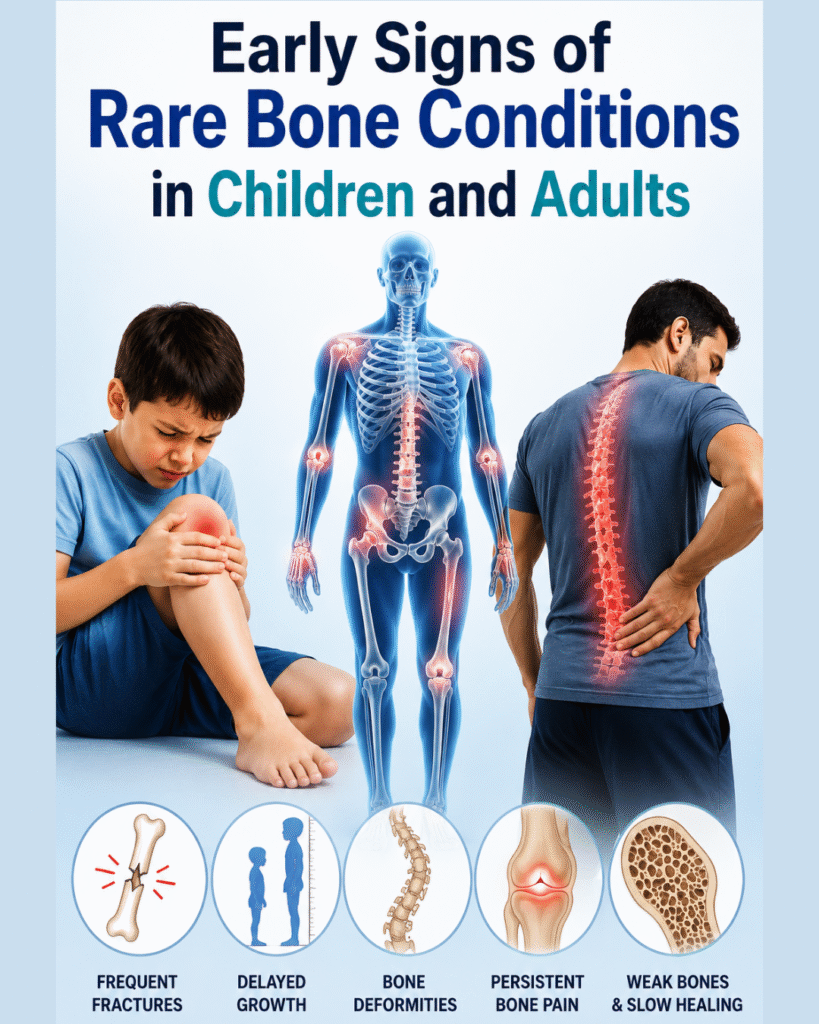
Bone health plays a vital role in movement, growth, and overall quality of life. While common orthopedic problems such as fractures or arthritis are widely recognized, rare bone conditions often remain undiagnosed for years due to their subtle or unusual symptoms. Early identification of these disorders is important because timely treatment can help prevent complications, deformities, disability, and long-term mobility issues.
Rare bone diseases can affect both children and adults. Some are genetic and appear during childhood, while others develop later in life due to metabolic, autoimmune, or unexplained causes. Understanding the early warning signs can help patients seek appropriate orthopedic evaluation and treatment at the right time.
What Are Rare Bone Conditions?
Rare bone conditions are uncommon disorders that affect bone growth, strength, structure, or metabolism. These conditions may involve the bones, joints, cartilage, or connective tissues and can significantly impact physical development and daily activities.
Some well-known rare bone disorders include:
- Osteogenesis Imperfecta
- Fibrous Dysplasia
- Osteopetrosis
- Paget’s Disease of Bone
- Achondroplasia
- Multiple Hereditary Exostoses
- Avascular Necrosis (AVN)
Many of these disorders can be managed effectively with early diagnosis, orthopedic care, physiotherapy, medication, or surgery when necessary.
Early Signs of Rare Bone Conditions in Children
Children with rare bone disorders may show symptoms during infancy or early childhood. Parents should not ignore repeated bone-related problems, especially when they occur without significant injury.
1. Frequent Fractures or Bone Injuries
Repeated fractures after minor falls or normal activities may indicate weak or fragile bones. Conditions such as Osteogenesis Imperfecta can make bones highly susceptible to fractures.
2. Delayed Growth or Short Stature
Children with certain skeletal dysplasias may have slower growth patterns, short limbs, or abnormal body proportions. Growth delays should always be evaluated by a pediatric orthopedic specialist.
3. Bone Deformities
Curved legs, abnormal spine curvature, enlarged joints, or unusual bone shapes may suggest an underlying bone disorder.
4. Persistent Bone or Joint Pain
Chronic pain in bones or joints without injury may indicate inflammation, bone abnormalities, or metabolic disorders affecting the skeletal system.
5. Difficulty Walking or Delayed Milestones
Children who struggle with walking, running, or balance may have underlying bone or muscle weakness associated with rare skeletal conditions.
6. Dental and Hearing Problems
Some rare bone disorders can affect teeth and hearing along with bones. Brittle teeth or hearing difficulties in children should not be ignored.
Early Signs of Rare Bone Conditions in Adults
Rare bone diseases are not limited to children. Adults may also develop symptoms that gradually worsen over time.
1. Persistent Bone Pain
Unexplained bone pain, especially in the hips, spine, or legs, can be an early warning sign of disorders such as Paget’s disease or avascular necrosis.
2. Recurrent Stress Fractures
Frequent fractures or stress injuries during normal activities may indicate poor bone quality or hidden metabolic bone disease.
3. Joint Stiffness and Reduced Mobility
Difficulty moving joints, stiffness, or limited range of motion may develop due to abnormal bone growth or degeneration.
4. Changes in Bone Shape or Structure
Enlarged bones, spinal deformities, or visible skeletal abnormalities may occur in certain rare bone conditions.
5. Fatigue and Muscle Weakness
Some metabolic bone disorders affect calcium and mineral balance, leading to weakness, fatigue, and reduced physical endurance.
6. Unexplained Swelling or Lumps
Benign bone tumors or hereditary bone growth disorders may present as painless swellings or lumps near joints.
When Should You Consult an Orthopedic Specialist?
You should seek medical attention if you or your child experience:
- Repeated fractures
- Persistent bone pain
- Abnormal bone growth
- Difficulty walking
- Delayed physical development
- Spine or limb deformities
- Joint stiffness without injury
Early orthopedic evaluation can help identify the root cause and prevent disease progression.
How Rare Bone Conditions Are Diagnosed
Diagnosis usually involves a combination of:
- Physical examination
- X-rays and advanced imaging
- Bone density testing
- Blood investigations
- Genetic testing
- MRI or CT scans
Advanced diagnostic tools help orthopedic specialists accurately identify rare skeletal disorders and create personalized treatment plans.
Treatment Options for Rare Bone Diseases
Treatment depends on the specific condition and severity of symptoms. Management may include:
- Medications to strengthen bones
- Physiotherapy and rehabilitation
- Nutritional support
- Pain management
- Corrective orthopedic surgery
- Joint replacement procedures
- Regular monitoring and follow-up care
Early intervention often improves mobility, reduces complications, and enhances quality of life.
Importance of Early Detection
Recognizing the early signs of rare bone conditions can make a significant difference in treatment outcomes. Delayed diagnosis may lead to permanent deformities, chronic pain, repeated fractures, and reduced mobility.
Parents and adults should never ignore recurring bone-related symptoms, especially when they persist without a clear reason. Consulting an experienced orthopedic specialist in Nigdi PCMC at the right time can help ensure accurate diagnosis and effective long-term care.
Conclusion
Rare bone conditions may be uncommon, but their impact on health and daily life can be serious if left untreated. Symptoms such as frequent fractures, bone pain, delayed growth, or skeletal deformities should always be evaluated carefully.
With advancements in orthopedic care, imaging, and rehabilitation, many rare bone diseases can now be diagnosed early and managed successfully. Awareness and timely medical attention remain the key to protecting bone health in both children and adults.