
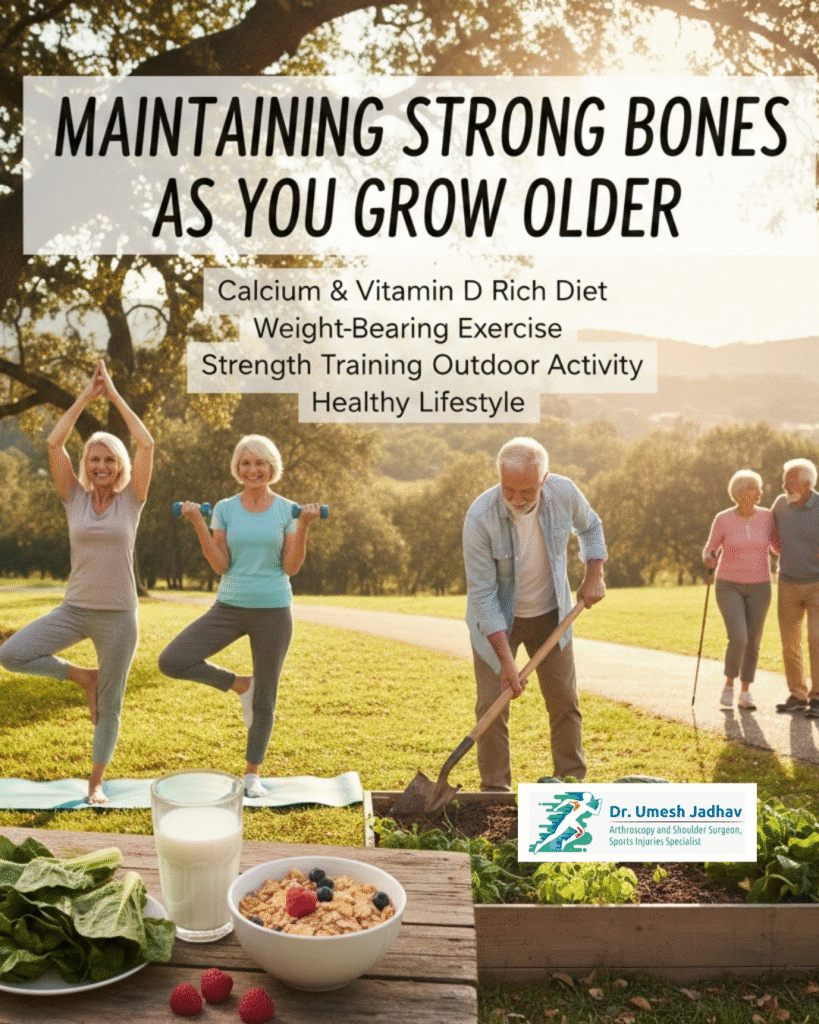
Aging is inevitable—but fragile bones don’t have to be. As we grow older, bone density naturally decreases, increasing the risk of fractures, osteoporosis, and mobility issues. The good news? With the right lifestyle choices, nutrition, and timely medical guidance, you can preserve bone strength and stay active for years to come. For personalized evaluation, bone density assessment, and preventive care, consulting an orthopedic doctor or bone specialist is essential to maintain mobility, reduce fracture risk, and age actively.
This premium, medically informed guide explains how to maintain strong bones as you age, with insights relevant for adults and seniors alike.
Why Bone Health Matters with Age
Bones are living tissue. After the age of 30–35, bone breakdown can begin to outpace bone formation. Without preventive care, this can lead to:
-
Increased fracture risk
-
Chronic joint and back pain
-
Reduced balance and mobility
-
Conditions like osteoporosis and osteoarthritis
Early awareness and proactive care are key to long-term skeletal health.
1. Prioritize Bone-Strengthening Nutrition
Your bones rely on essential nutrients to stay dense and resilient.
Key nutrients for strong bones:
-
Calcium: Milk, curd, paneer, ragi, almonds, leafy greens
-
Vitamin D: Sunlight exposure, fortified foods, supplements (if prescribed)
-
Protein: Supports bone matrix and muscle strength
-
Magnesium & Vitamin K: Help with calcium absorption and bone metabolism
Tip: Many adults consume less calcium than required. A dietary review with an orthopedic specialist can help identify gaps.
2. Stay Physically Active (The Right Way)
Regular exercise slows bone loss and improves balance—reducing fall risk.
Best exercises for bone health:
-
Weight-bearing activities: Walking, stair climbing
-
Strength training: Resistance bands, light weights
-
Balance & flexibility: Yoga, stretching
Avoid high-impact workouts if you already have joint pain or spine issues—professional guidance is essential.
3. Maintain a Healthy Body Weight
Being underweight increases fracture risk, while excess weight stresses joints and bones. A balanced BMI supports both bone density and joint health.
4. Quit Smoking & Limit Alcohol
Smoking reduces bone formation, and excessive alcohol interferes with calcium absorption—both accelerating bone loss.
Reducing these habits significantly improves long-term bone strength.
5. Monitor Bone Density Regularly
Bone loss is often silent until a fracture occurs.
Who should get tested?
-
Women above 50
-
Men above 60
-
Individuals with family history of osteoporosis
-
Patients with frequent fractures or chronic joint pain
A DEXA scan helps assess bone density early and guide preventive treatment.
6. Manage Joint & Orthopedic Issues Early
Persistent knee pain, shoulder stiffness, or back discomfort may indicate underlying orthopedic problems. Ignoring these symptoms can indirectly affect bone health by limiting mobility.
Early consultation helps:
-
Prevent progression of joint degeneration
-
Maintain activity levels
-
Reduce dependency on surgery
7. Get Expert Orthopaedic Guidance
Every individual’s bone health needs are different. Personalized evaluation, supplements (if required), and exercise recommendations make a significant difference—especially with advancing age.
Consult an Expert
For comprehensive bone and joint care, consult Dr. Umesh Jadhav, a trusted Orthopedic Doctor in Nigdi. With a patient-centric approach and expertise in joint care, sports injuries, and orthopedic conditions, Dr. Jadhav helps patients stay mobile, strong, and pain-free.
Final Thoughts
Strong bones are the foundation of an active, independent life—at any age. By combining the right nutrition, safe physical activity, and timely orthopedic care, you can significantly reduce the risk of fractures and joint problems as you grow older.
Don’t wait for pain or injury. Prioritize your bone health today for a stronger tomorrow.
Consult Dr. Umesh Jadhav, Orthopedic Doctor & Surgeon in Nigdi PCMC, for expert bone and joint care.